
When you see a blue screen randomly pop up onto your computer, it is never a good sign. You might feel in the dark, especially when greeted with a cryptic stop code of 0x0000000B. This error, sometimes known as a BAD_POOL_HEADER issue, can stop your work and make you scratch your head for days.
And luckily, you don’t have to be a tech-wizard to fix it. In this guide I want to explain what causes the 0x0000000B error, why you’re getting it and how you can get rid of it with some simple step-by-step instructions. You would by the following solutions and your issue must be resolved with your system running fine.
What is the 0x0000000B Error?
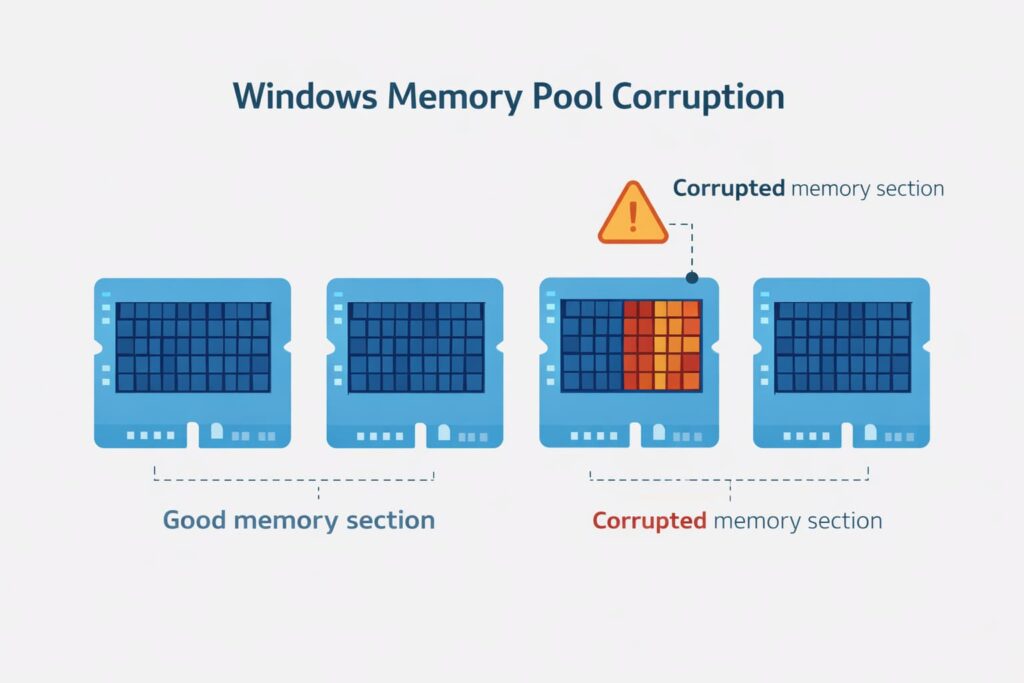
The 0x0000000B error is a windows stop code that cause Blue Screen of Death (BSOD). This code indicates that there is something wrong with the memory management in Windows. Your OS makes a “pool” of memory available to the various tasks and drivers. The error BAD_POOL_HEADER is what happens when a portion of this memory pool becomes corrupt.
When a program or driver attempts to write to an improperly allocated portion of memory, Windows can’t safely continue. In the process of being corrupted, if it detects something malicious and tries to corrupt kernel (etc.) data, It violently shuts down and will present you with a BSOD. Although it may seem scarier, this is a protective mechanism. The point is to find the cause of this memory corruption and correct it.
Why Does the 0x0000000B Error Happen?
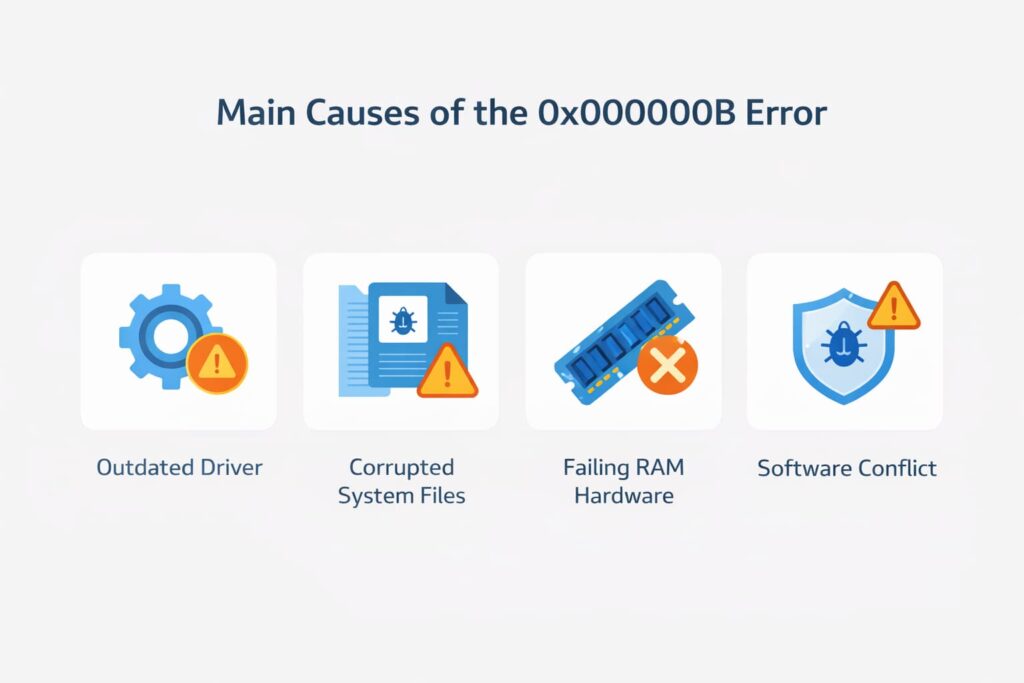
There are a number of reasons that can cause memory pool corruption which then results in 0x0000000B error. The first step toward a real fix is to understand the cause.
Common causes include:
Outdated/Corrupt Drivers: This is the main reason. A bad driver for your graphics card, network adapter or other hardware can cause a memory corruption and lead to this one.
Corrupted Files in System Directory: Important system files may be corrupted due to bad sectors on the drive, a virus, etc. The operating system uses these files to operate, and the corruption of them can disrupt memory management.
Software Incompatibilities: Sometimes newly installed software, especially antivirus or system utility programs can be the root cause of driver conflicts.
Failing Hardware: A failing RAM stick or hard drive can directly cause memory errors and data corruption.
Incorrect System Settings: Unproperly modified system configuration or the irregular entries in Windows registry could cause instability.
How to Repair the 0x0000000B Error
Try these one by one to diagnose and fix 0x0000000B stop code. If your PC isn’t able to boot up normally, follow these steps for Safe Mode using the command prompt.
Update Your Drivers
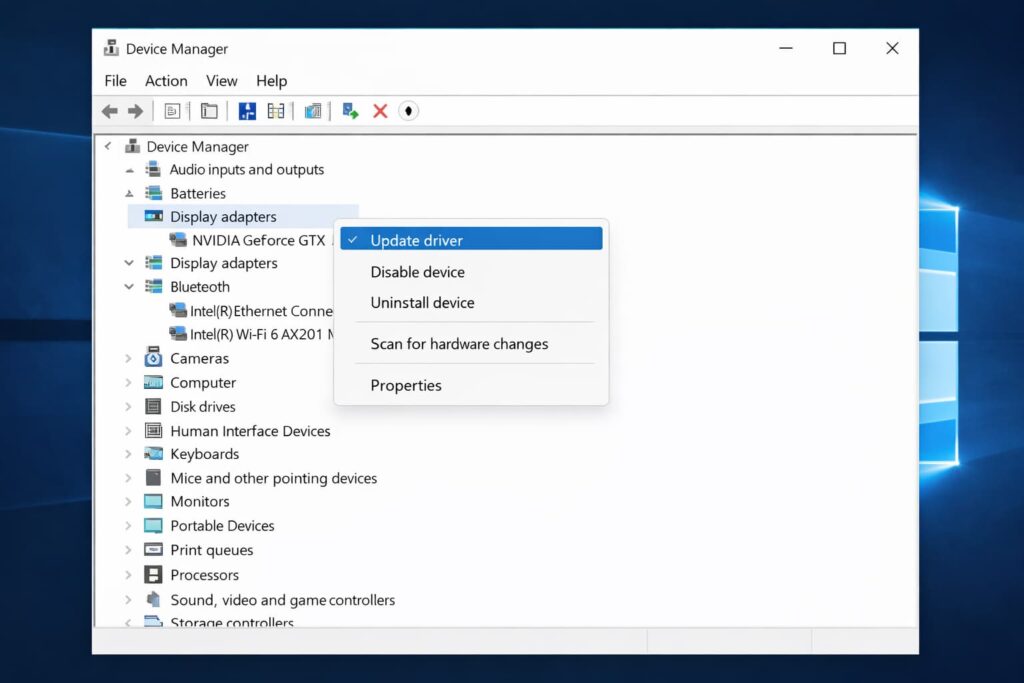
Because outdated drivers are one of the main reasons for this issue, updating them is what should be your first move.
Update Windows: The first thing you need to do, confirming whether any updates are needed for your operating system.
Go to Settings > Update & Security > Windows Update.
Click on Check for updates, and install any updates available. New driver releases are often a part of development updates to Windows.
Update Manually: If the above step doesn’t help, manually update some of your key drivers.
Press Win + X and choose Device Manager from the list.
Extend the categories Display adapters, Network adapters, and Sound, video and game controllers.
Right-click on a device and choose Update driver.
Choose Search automatically for drivers.
Do this with any other devices that may be problematic.
Use SFC and DISM to Check System Files
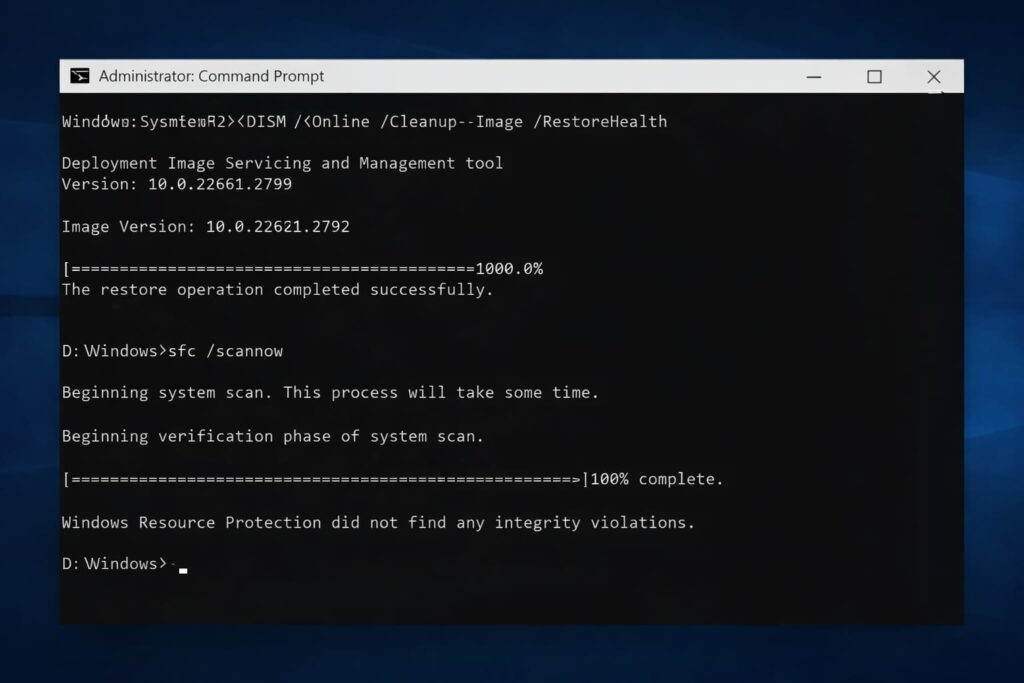
You can use these built-in Windows tools to both search for and repair corrupt system files.
Then type cmd in the Start Menu search box.
Right-click Command Prompt and click Run as administrator.
To do it, open the DISM tool, first. Now, enter the following command and hit “Enter”.
DISM /Online /Cleanup-Image /RestoreHealth
Once the DISM scan is finished, run SFC ( System File Checker ). Enter this command and press Enter:
sfc /scannow
Wait for the scan to finish. If it detects and fixes errors, restart your computer.
Check Your Disk for Errors
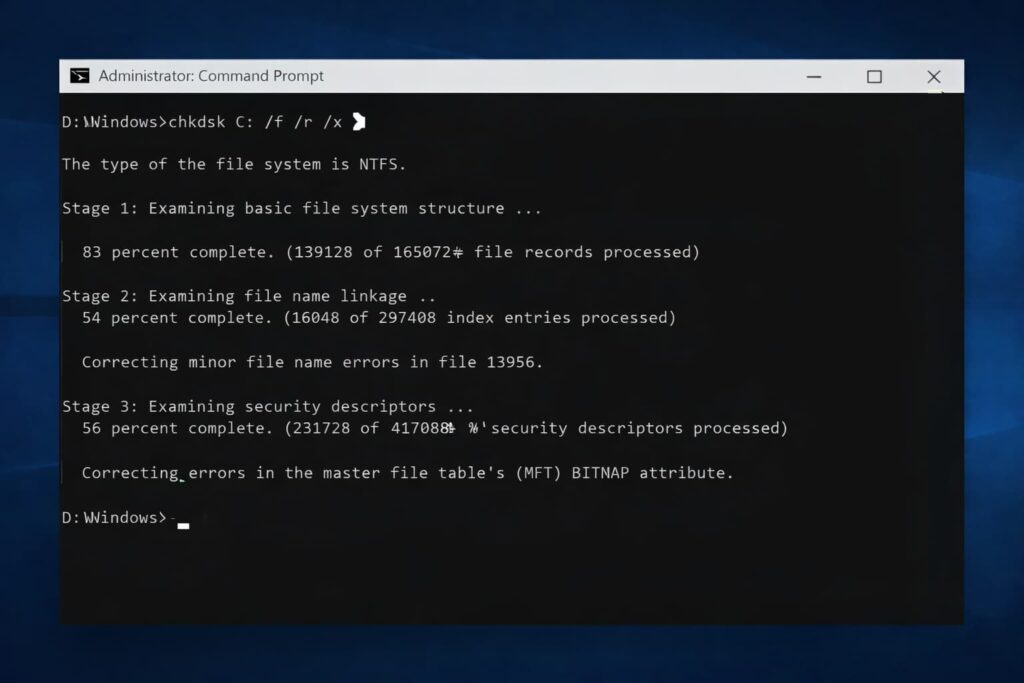
Corrupted files can also be the result of a bad hard drive. The Check Disk utility can detect and correct disk-related errors.
Open Command Prompt as administrator.
Type the command below and hit Enter:
chkdsk C: /f /r /x
You might be asked if you would like to perform the scan on the next reboot. Type Y and press Enter.
Restart your computer. It’ll run outside Windows, before the OS itself loads. Wait, it takes a long time to remove these numbers (up to 10 minutes or so)!
Uninstall Recently Installed Programs
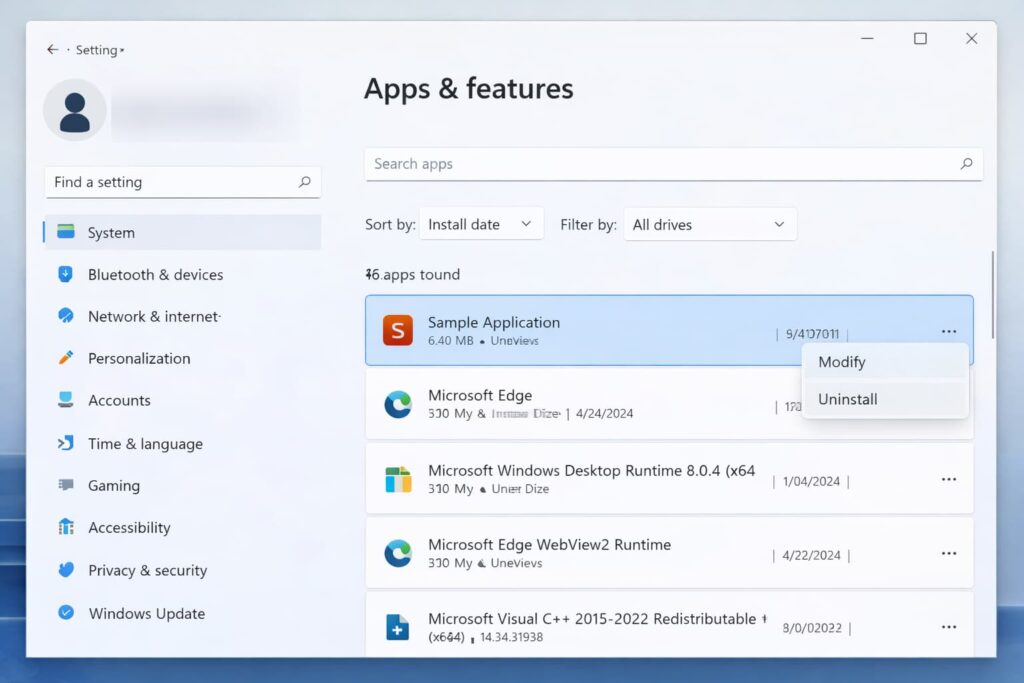
If you began receiving the error after installing a new program, the software is likely the problem.
Head to Settings > Apps > Apps & features.
Sort the list by Install date, and then look for any of your recent additions.
Click Uninstall and remove any suspicious or recently added Applications.
If the error is still there, restart your computer and check.
Test Your RAM
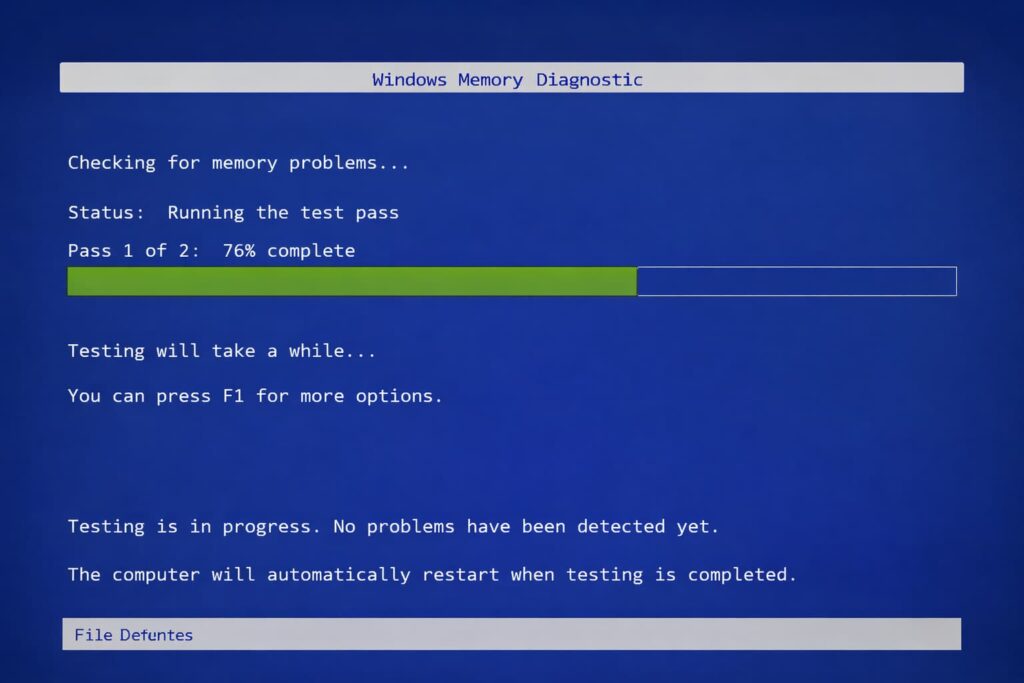
Bad RAM is a potential source of hardware. Windows has a memory checking feature which does a decent job.
Type mdsched 3 into the Run dialog and then press Enter. exe, and press Enter.
Select Restart now, and your computer will reboot and perform the check for problems.
Your computer will then restart and the memory test will start.
If there are any errors when you run the test, 1 or more of your RAM sticks will likely need to be replaced.
How to Avoid BSOD Errors
Best Solutions to Avoid BSOD Errors
And once you’ve dealt with the situation, there are things you can do to ensure that it doesn’t happen again.
Update Drivers: Search your hardware to find the newest drivers.
Perform Routine Maintenance: I ran the following tools frequently to ensure that my system was in tip-top shape.
Install Windows Updates: automatically installing all the updates is recommended to keep your system up to date with new security patches and stability improvements.
Use Caution with New Software: Download programs only from credible websites. Be alert during the installation process and opt out of the bundled unnecessary software.
Install a Quality Antivirus: Guard your operating system from harmful malware, which can damage system files.
Frequently Occurring Mistakes to Avoid While Resolving BSOD Errors
There are some things that you should avoid if you’re trying to fix a Blue Screen. Avoid these common pitfalls:
Ignoring the Error Code: Just turning your PC off and back on is not going to help. The error code, such as 0x0000000B, is the first clue on your list.
Drivers Downloaded from Non-official Source: Make sure to download your drivers only from the official website of the manufacturer or via Windows Update. 3rd party driver sites like Softpedia can contain bad stuff.
Manually editing the Registry: Unless you’re a power user following a trusted guide, don’t mess with the registry! It is indeed extremely dangerous. It can lead to serious system instability for a wrong action.
Skipping Backups: Be sure to back up your important files before making major changes to your system. That way if something goes wrong, you’ll keep all your data.
Frequently Asked Questions
What causes the 0x0000000B error?
The most typical cause is outdated or corrupt drivers for your device. Other potential culprits include broken Windows system files, software conflicts (especially with antivirus scanners), and, yes, possibly failing hardware like RAM or a drive.
What can I do to resolve 0x0000000B stop error?
Here’s how to fix stop code 0x0000000B by trying a few troubleshooting steps. First of all, download the latest versions of both device drivers and your Windows OS (operating system). Then, follow up with an SFC and DISM to repair system files. If it continues to fail, test your disk for corruption, test your RAM and uninstall any new software you have installed that might be causing the conflict.
How can I avoid getting a BSOD error like 0x0000000B?
Keep BSOD at bay by keeping your system ”fit”, as well! Keep your drivers and Windows up to date, use a good antivirus program, and don’t install software from anyone you can’t trust. You can also occasionally run system maintenance tools such as the System File Checker or Check Disk to avoid file and disk corruption.
Conclusion
Running into the 0x0000000B error can be a hassle, but it is down-to-earth solvable. By going through the solutions one by one—such as updating drivers, repairing system files, and testing for hardware issues—you can determine what’s causing the memory pool corruption and then fix it.
Don’t forget to apply best services for system care thus avoiding the likelihood of encountering another Blue Screen of Death. Now, with these tools and knowledge, you should be able to fix this error and maintain a smoothly running PC. Try those fixes now and have your system back in shape.
Leave a Comment