
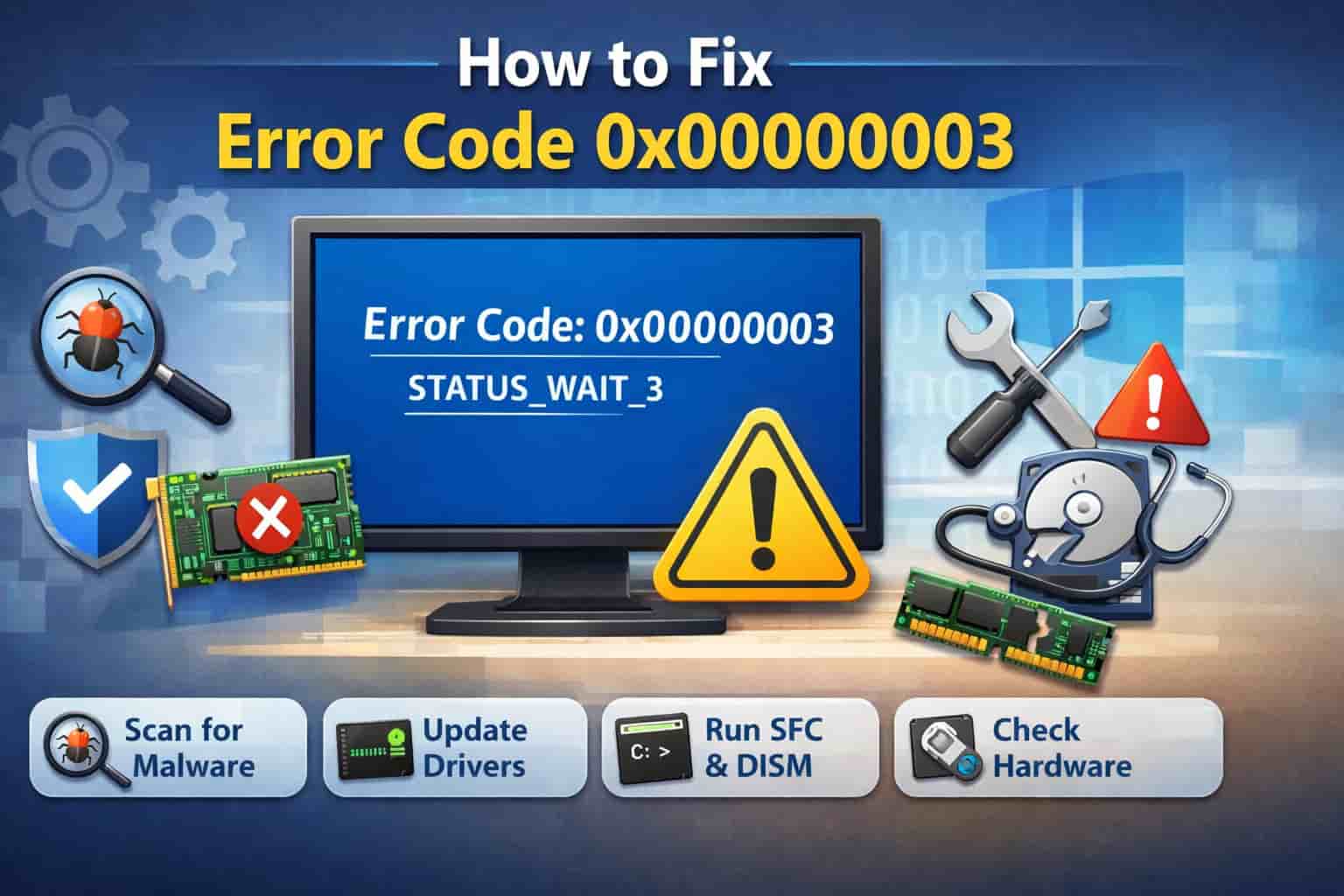
Getting a blue screen on your computer or experiencing an abrupt application crash, then a message accompanied by an error code 0x00000003 can be annoying. This derpy mistake, also known as a STATUS_WAIT_3 or EXCEPTION_BREAKPOINT error, indicates that something has gone inadvertently funky with your system’s workings. This guide will explain what this error is, why it happens, and give you actionable steps for how to fix it so that you can get your computer working at full blast again.
What is the 0x00000003 Error?
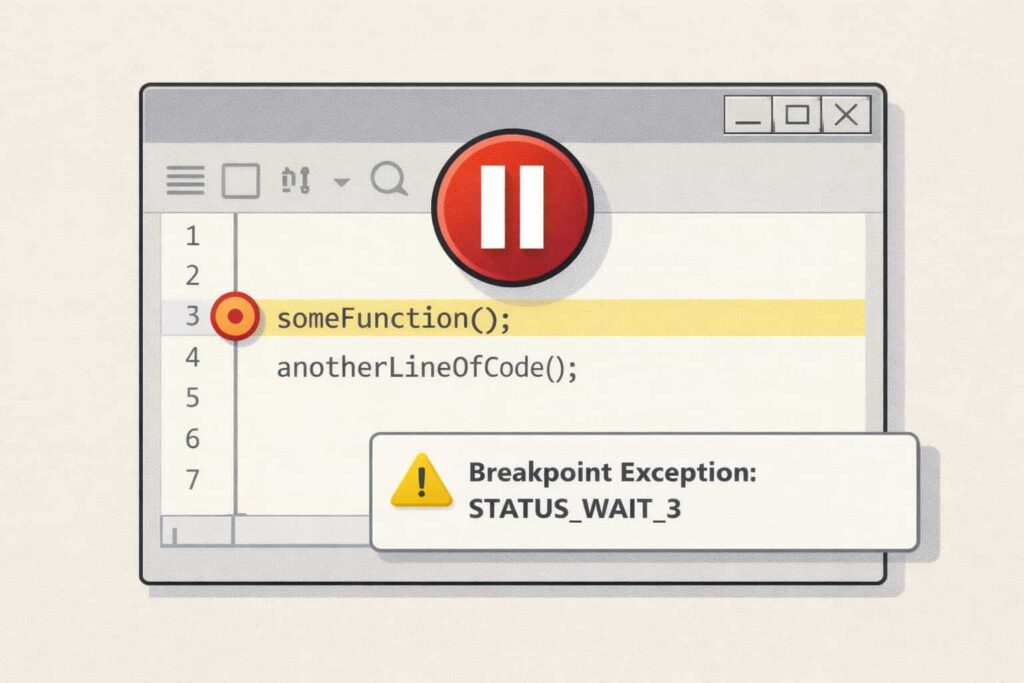
The 0x00000003 error code is a system code which means that there was a breakpoint in the program. In layman terms, A running application (or system process) suddenly reached an instruction to halt. Developers use breakpoints on purpose when they’re debugging software, but a normal user seeing that message means something went wrong.
This occurs in one of a few different forms:
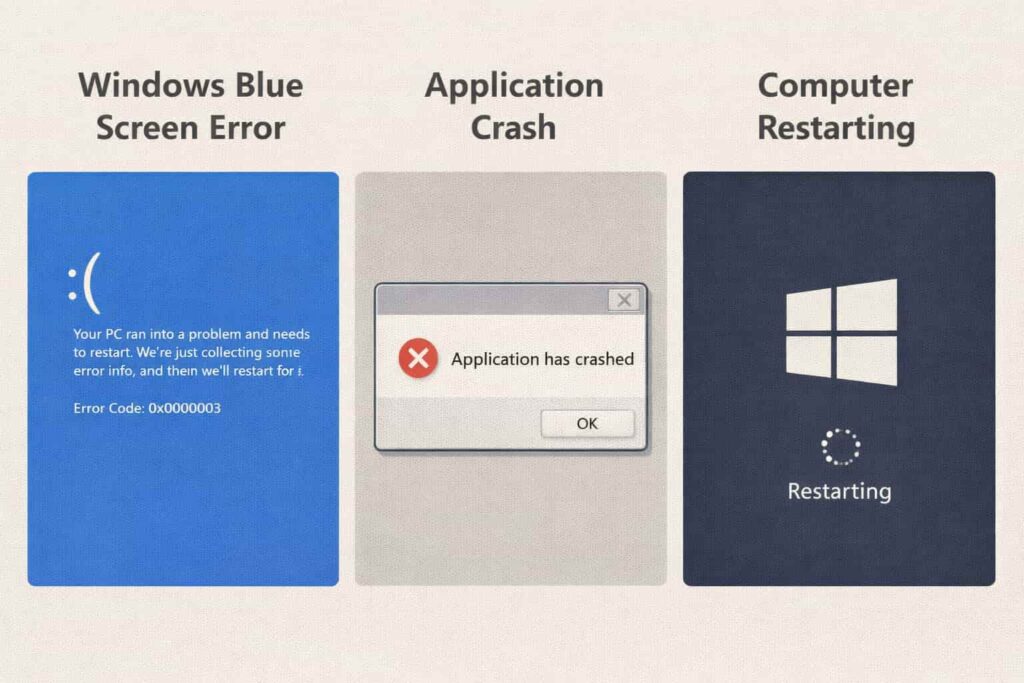
- A stop code blue screen of death (BSOD).
- An error message showing when a particular application is crashing.
- Overall instability and random reboots.
The first step to finding a permanent solution is understanding what’s behind the issue.
What Causes Error 0x00000003?
There can be multiple reasons behind the occurrence of this error code. Determining the cause is essential to being able to provide the appropriate resolution.
1. Corrupt or Outdated Device Drivers
Drivers are the software that helps Windows communicate with your hardware (such as graphics cards, printers, and network adapters). If the driver is corrupt, outdated, or incompatible, then it can create conflicts and this error.
2. Corrupt System Files
Important Windows files may be damaged when computer shutdown is not correct, malware attack would be a problem, and software errors while installation. If the files are not accessible or read properly, then the system can crash.
3. Malware or Virus Attacks
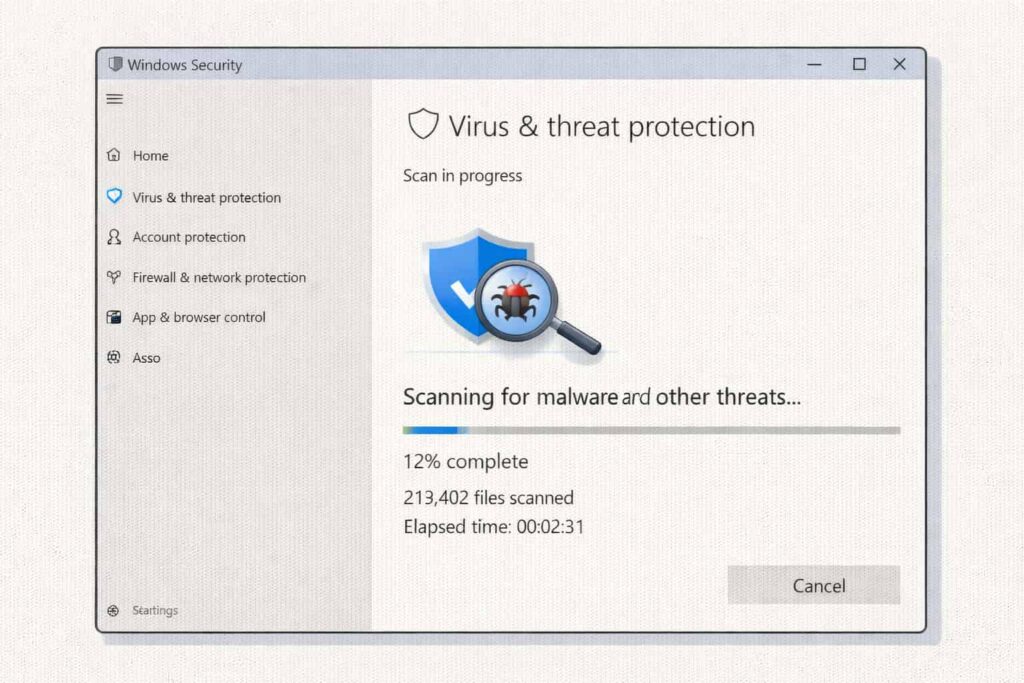
Certain malware will conflict with fundamental system workings, modifying content and leading to erratic behaviour such as the 0x00000003 breakpoint exception.
4. Bad Hardware or Faulty RAM
Flaws in hardware can have the same consequence, and you may experience screwed up data and frequent crashes. This error may indicate that the hardware fails.
5. Faulty Software
It probably comes as no surprise that some programs (or even an entire suite) can be buggy upon installation, leading to complications with the computer’s ability to access certain files.
How to Repair the Error 0x00000003
Try these methods sequentially and check if the issue is resolved. You might not have to give them a try all: stop when the error has gone.
Method 1: Perform a System-Wide Malware Scan On Your Entire System
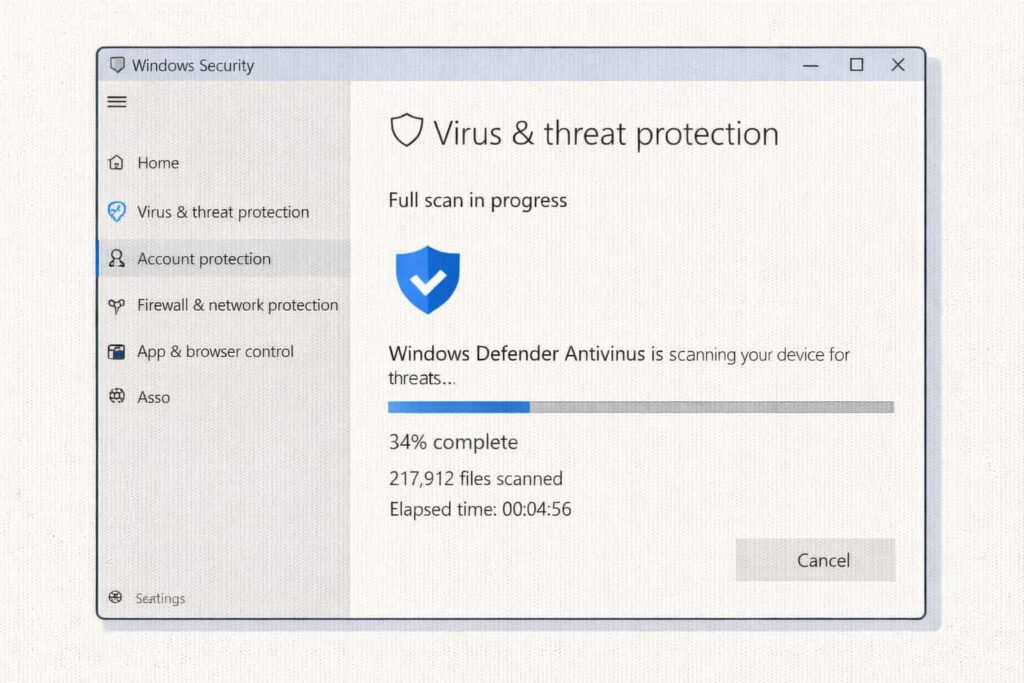
Before you start using any new methods for repairing your system, you first want to make sure that it’s not the result of a malicious program. Virus and worms can interfere with things as they normally are done, and that is one source of strange behavior.
- Open your antivirus software. If you don’t have one, the system can employ Windows Security built-in.
- Open Virus & threat protection.
- Click on Scan options.
- Choose Full scan to have a full scanner for all your files and running programs in the computer.
- Click Scan now. The scan could take a while.
- If there are any threats, click the “Remove Selected” button to get rid of them.
- Reboot your system and see if the problem still exists.
Method 2: Update Your Drivers
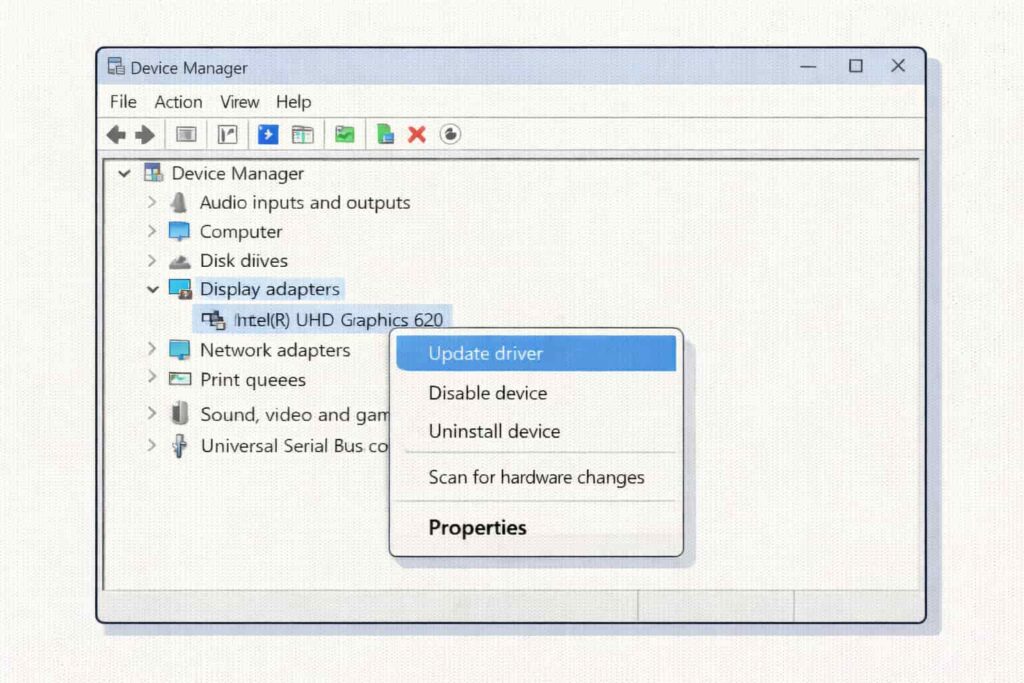
Drivers can work one day, and suddenly stop working the next day, for a variety of reasons. Concentrate first on upgrading your graphics, network, and chipset drivers, as this is where stability issues are usually found.
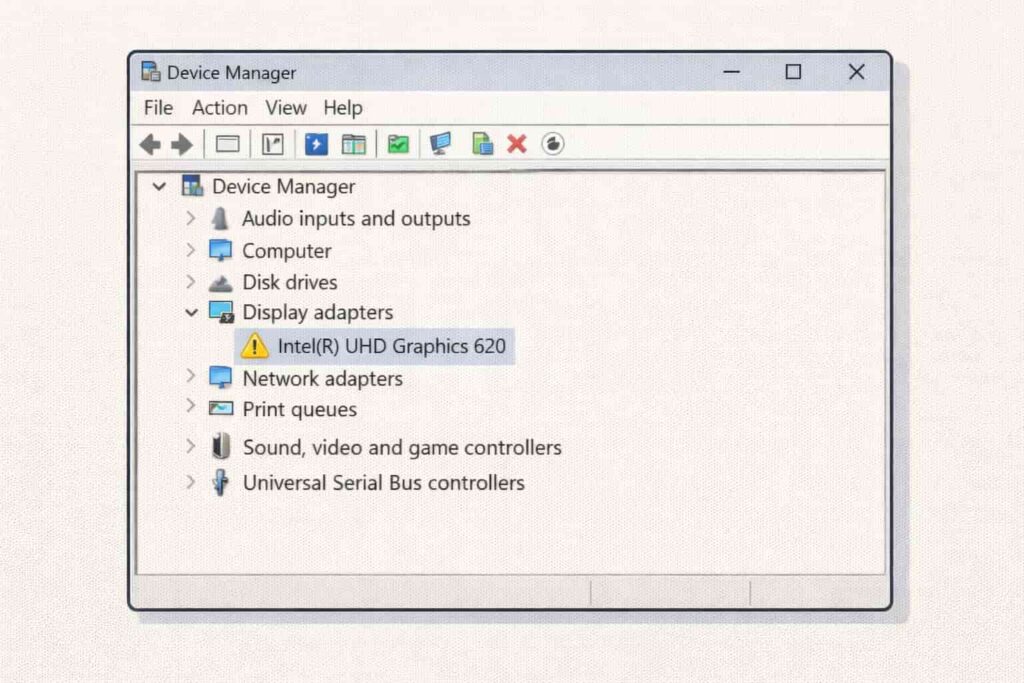
- Open Device Manager by pressing the Windows key + X and then choosing Device Manager from the list.
- Clicking on the categories will unfold them. Scan for any devices with a yellow explanation mark; these can represent an issue with your driver.
- Start with Display adapters. You should see Update driver, right-click on your graphics card and select it.
- Choose Search automatically for drivers. Windows will search for and install the best available driver.
- Do the same for other important ones such as Network adapters, Sound, video, and game controllers.
- Once done, reboot your PC.
Method 3: SFC and DISM Tools
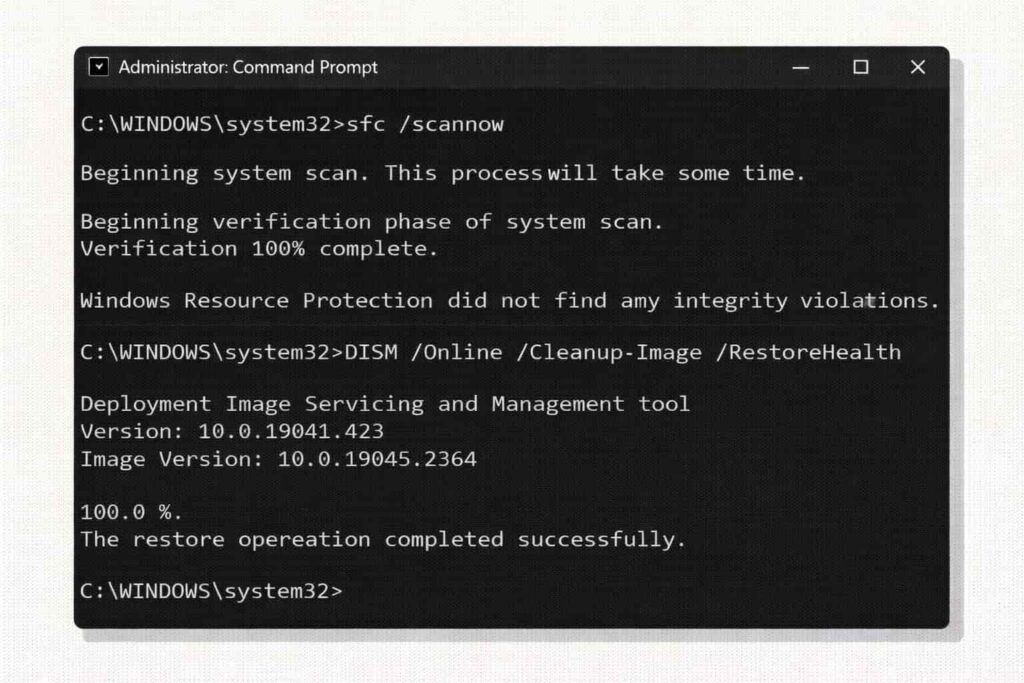
Windows has a lot of great built-in tools that can help you out, and one of the most useful is the ability to automatically search your system for corrupted files and attempt to fix them.
- In the Windows search bar, type cmd.
- Right-click the Command Prompt and choose Run as administrator.
- First, try running the DISM tool to fix the Windows image. Run the following command and press enter:
DISM /Online /Cleanup-Image /RestoreHealthLet the process finish. It may take 15-20 minutes. - Next, run the SFC scan. Write the following command and press Enter:
sfc /scannowThe SFC utility will run through all protected system files and replace incorrect versions with correct versions. - When the scan has completed, restart your machine.
Method 4: Scan Your Hard Drive for Errors
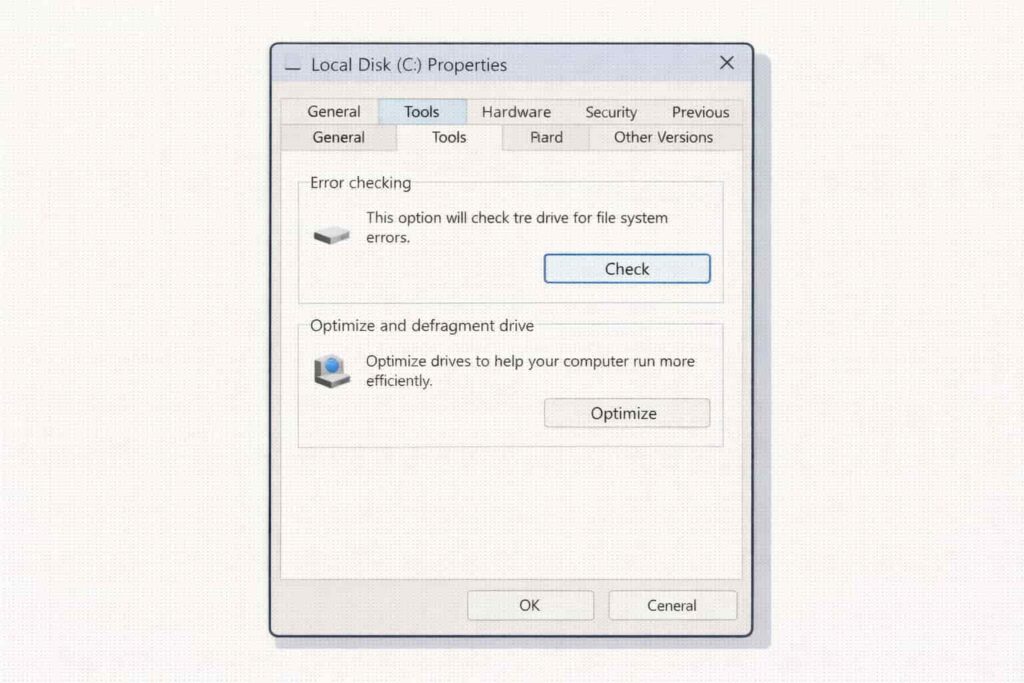
Issues with your hard drive can corrupt files and cause the system to run inconsistently. Check Disk is a tool you can use to find and fix file system errors on your computer’s hard disk.
- Open File Explorer and navigate to This PC.
- Right-click on your Primary Drive (Generally C:) and then click on Properties.
- Go to the Tools tab.
- In the “Error checking” section, click Check.
- Click Scan drive. If errors are identified, Windows will suggest a recovery option for your drive. You might then be able to arrange the repair for the next time you restart your computer.
- Follow the instructions and reboot to let it work.
Test Your Computer’s RAM
Defective RAM is another hardware cause of random issues (crashes & blue screens). The Windows Memory Diagnostic tool can scan your memory for errors.
- Hit the Windows key + R, type mdsched.exe, and press Enter.
- You will be asked to restart your computer. Select the Restart now and check for problems (recommended).
- Your computer will then restart and the memory test will start. This takes perhaps half a minute.
- After the test is finished, your computer will boot up again, and you’ll be able to view the results once you log in. If it reports errors, you might need to replace your bad RAM.
Frequently Asked Questions (FAQ)
Q1: Is it possibly because of a software update that the 0x00000003 error starts up?
Yes, it is possible that sometimes a recent Windows Update or a software update can contain an incompatibility or bug which causes the error. If the issue began after an update, you can try removing it by going to: Settings > Update & Security > Windows Update > View update history > Uninstall updates.
Q2: Is the 0x00000003 problem serious?
It can be. Although it may sometimes indicate a relatively benign software glitch, the presence of an easily fixable hiccup, it can also be symptomatic of far more serious problems — such as failing hardware (eg., RAM or hard drive) or a surreptitiously installed malware infection. It can be terrible if not resolved in time, which may cause data loss or even damage the system.
Q3: How do I avoid the 0x00000003 error from recurring in the future?
In order to reduce the risk of coming across this error, you should:
- Maintain your Windows operating system and device drivers in updated condition.
- Utilize antivirus program and scan routinely.
- Do not install any unsolicited software.
- Power down your computer correctly, rather than completely turning it off.
- Run a system maintenance, such as SFC and Check Disk once in a while.
Conclusion
The 0x00000003 error, although life-threatening for the computer user experiencing it at the time, can be fixed by using systematic troubleshooting. With the help of solutions — scanning for malware, updating drivers, repairing system files, testing the hardware — provided here, you can find out which is what and how to dispose of them. Attempt the basic fixes first, and then try more advanced troubleshooting if you can’t get things working after a reboot following each solution. Doing these things will generally solve the immediate problem and perhaps even make your system more healthy and stable in general.
Leave a Comment