
Running into an error code on your computer can be demoralizing, but it’s important to remember that just because an error code appears doesn’t mean there isn’t a simple solution for the issue at hand. One such issue, the 0x00000008 error can occur out of nowhere, and have you looking for an answer. This hex error code usually indicates issues related to system resources, memory, and/or system peripheral devices.
The first step in resolving this error is to understand what it means. This article will explain some of the most frequent reasons for 0x00000008 errors and offer clear step-by-step instructions to solve them. Now, by using these methods you can bring your system back on the normal track and you also get an insight into how to stop this kind of thing from happening in the future.
What is Error Code 0x00000008?
Error code 0x00000008 is a system error that usually appears on Windows OS. It is called ERROR_NOT_ENOUGH_MEMORY, and it simply means there isn’t enough memory to complete an order. Though the error name implies a RAM problem, it can also be caused by other hardware system handles, memory management, or drivers and software conflicts.
This error can present itself in a couple of different scenarios:
Blue Screen of Death (BSOD) with the Stop Code 1664
- App didn’t open or it just stopped working.
- The system “slowing down” or becoming unresponsive as processor (CPU) usage is forced higher.
It’s a message from your OS that it can’t give the needed resources to make something you told it to do, and that you need to figure out why.
Why Does the Error Code 0x00000008 Appear?
The error 0x00000008 (reference failed) can be caused by a number of issues. It is very important to get the root cause so as to apply the right fix. Some of the most common ones include:
Not Enough RAM
It’s possible that your computer doesn’t have enough physical memory (RAM) to run resource-intensive applications or open multiple programs at once.
System File Corruption
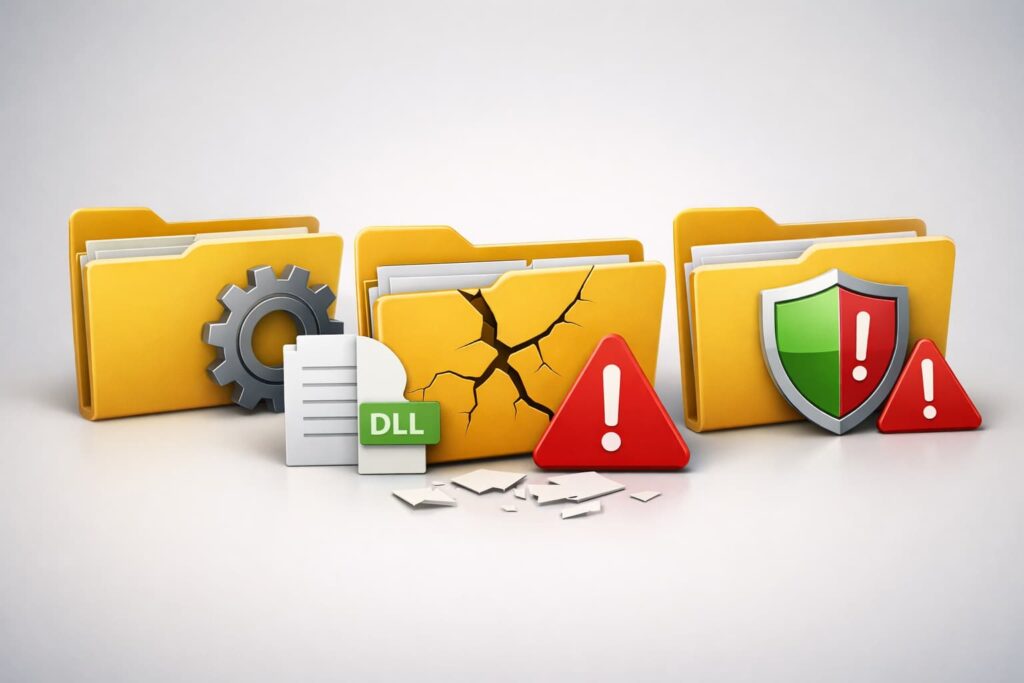
Certain vital Windows files may become corrupted and since system processes depend on them, an error can occur if they are damaged or missing.
Outdated or Corrupt Drivers
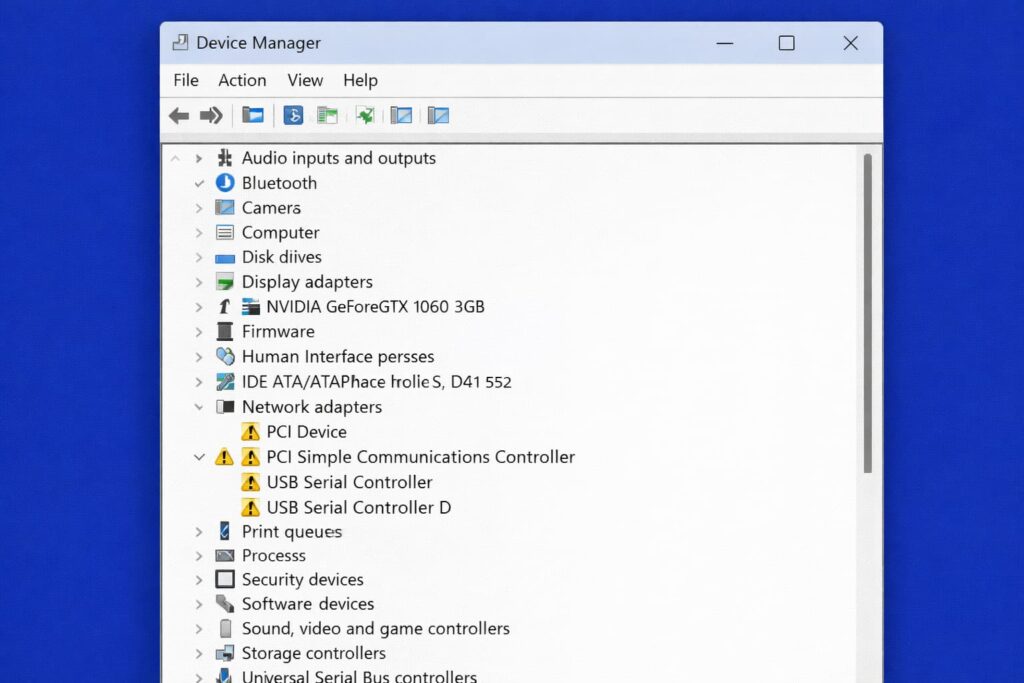
Device drivers, such as those for graphics cards and devices could experience conflicts if they are outdated, not correctly installed, or if they become corrupt.
Malware or Virus Infections
Malware can take up system resources, damage files, and affect memory management, resulting in such errors.
Software Conflicts
Owing to competition for the resources of the system, two or more applications being run together may cause instability.
Invalid System Configuration
The system’s configuration plays a part, as some incorrect settings like virtual memory or page file size may lead to this issue.
Bad Hardware
Less common than other possibilities, a bad RAM module or failing hard drive could be the cause of this error.
How to Repair the Error Code 0x00000008
It’s by following a few simple troubleshooting steps to fix the 0x00000008 error. Try these techniques to identify and resolve the problem.
Method 1: Run a Malware Scan
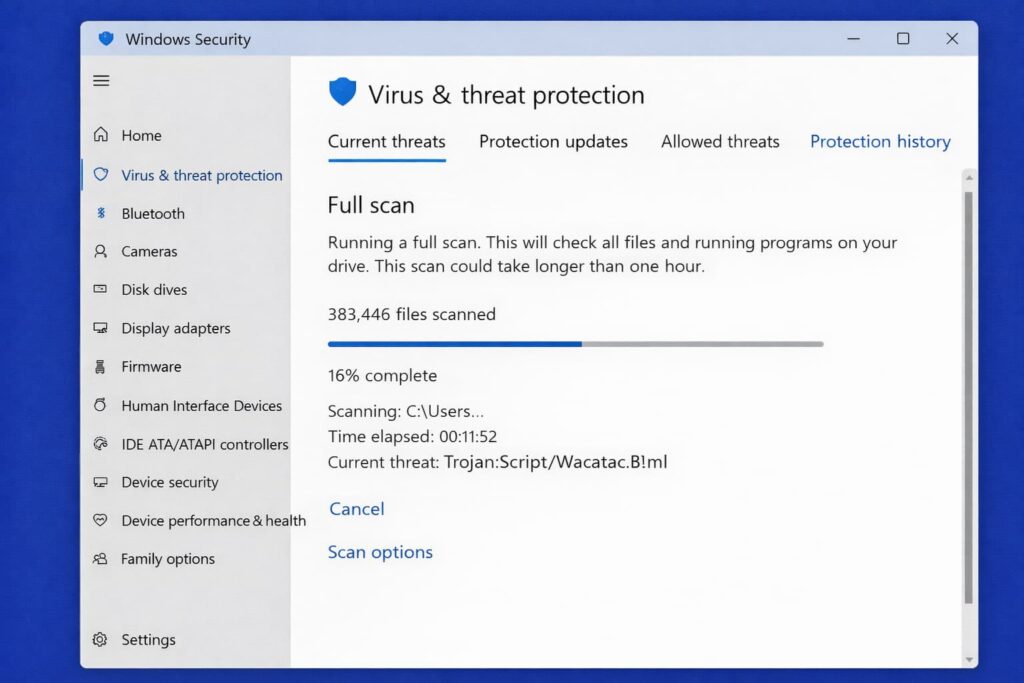
Before you spend more time troubleshooting, make sure your computer doesn’t have any malware. At worst, they could eat up memory and crash the system.
- Open your antivirus software. If you don’t already have one, use built-in Windows Security.
- Scroll down and click on Virus & threat protection.
- Click on Scan options.
- Choose Full scan to run through your entire system.
- Click Scan now.
- Remove any threats that are found and then reboot your computer by following the on-screen prompts.
Method 2: Running System File Checker (SFC) Tool
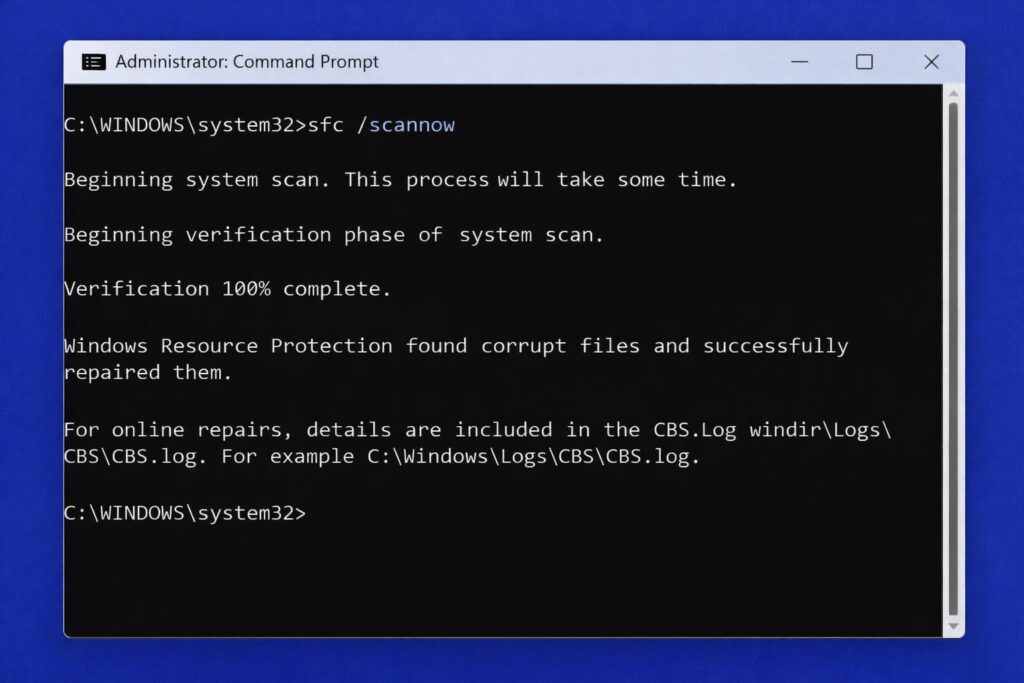
System File Checker is a Windows utility that allows users to scan for and restore corruptions in system files.
- Press Windows + X and then A (Admin Mode), type cmd, after which click on Command Prompt and then choose Run as administrator.
- Type the following command in the Command Prompt window and press Enter:
sfc /scannow - Once the scanning process starts, your system will be analyzed. It could take a while.
- After the scan finishes, it will tell you whether it found and fixed any corrupt files.
- Try restarting your computer and check if the problem is resolved.
Method 3: Update the Drivers of Your Device
System errors are often a result of outdated or corrupt device drivers. Many times, updating them has solved our problems.
- Press Windows key + X and click on Device Manager.
- Find all the devices that have a yellow exclamation mark – these represent drivers which are not functioning correctly.
- Expand Display adapters and Network adapter, as these are likely to be the culprits.
- Right-click on a device and choose Update driver.
- Choose Search automatically for drivers. Windows will find, download, and install the current driver.
- Do this for other important devices and reboot your PC.
Method 4: Use Windows Memory Diagnostic Tool
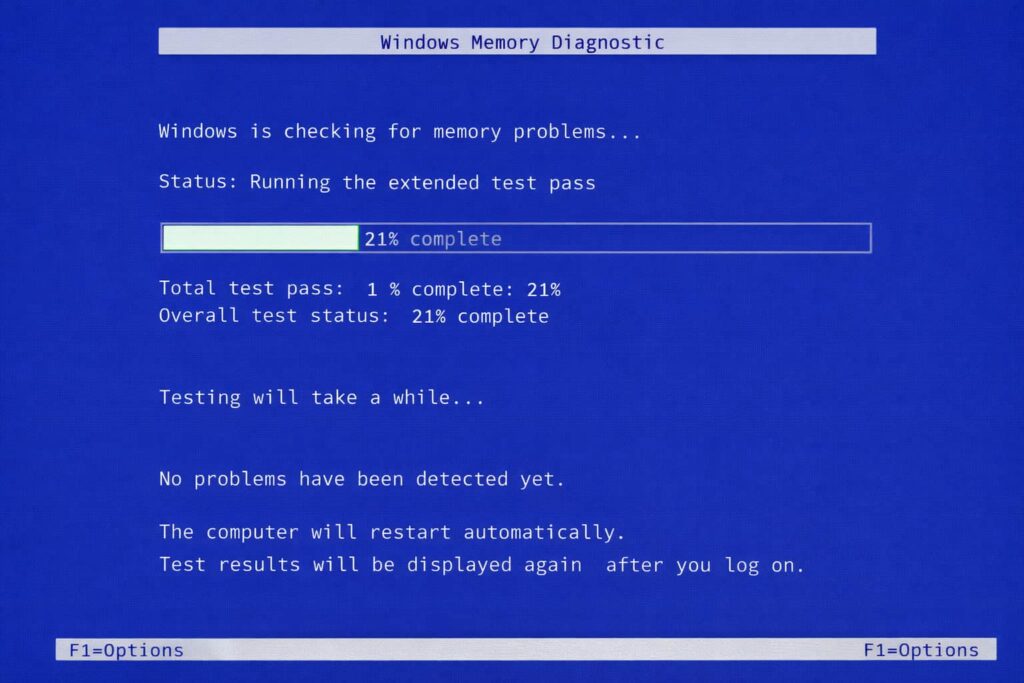
This utility tests your RAM’s read-and-write speed—a hard drive can only get you so far. Your memory error might stem from a bad RAM stick.
- Hit the Windows key, and then type in “Windows Memory Diagnostic” and hit Enter.
- It will ask you to restart your computer. Select Restart now and check for problems (recommended).
- Your computer will restart and the memory test begins. It takes time to do all of this.
- Your computer will reboot once again after the test is finished. The results will be shown when you log back into Windows. If no errors are reported, you might have a bad RAM module.
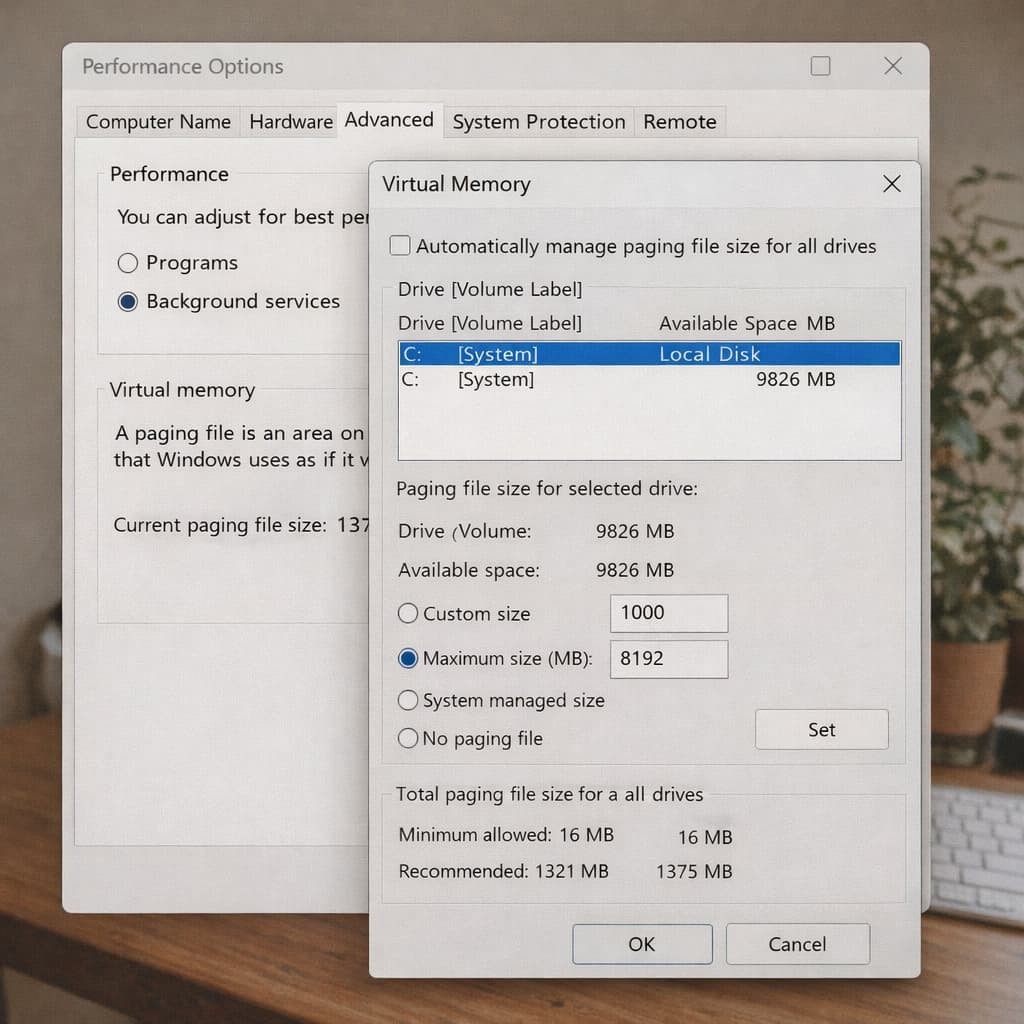
Method 5: Adjust Virtual Memory
Virtual memory, known as the page file, uses part of your hard drive to effectively expand your RAM. It can result in memory errors if it’s not set properly.
- Press Windows Key + R, then type sysdm.cpl, and press Enter.
- In the System Properties window, switch to the Advanced tab.
- On the Performance tab, click Settings.
- Click on the Advanced tab in Performance Options.
- Under the section of Virtual memory, tap on the Change button.
- Disable Automatically manage paging file size for all drives.
- Click your main drive (usually C:), press Custom size, and change the Initial size to 1000 and the Maximum size to 8192. I would start off with an initial size one and a half of your physical RAM and maximum size three times the amount of RAM you have.
- Hit Set and OK, then restart your computer.
Best Practices and Prevention Tips
To avoid the 0x00000008 error, always keep good system care and regularly clean your system to have it optimized.
Keep Windows Updated
Install Windows updates to have all the bug fixes and optimizations.
Add More RAM
If you often use memory-intensive applications, increasing the amount of RAM installed in your computer should improve things.
Utilize Good Antivirus Software
Make sure you always have a quality security program running to fend off any potential malware.
Do Not Install Untrusted Software
Only acquire and install software from credible sources.
Regularly Clear Your Disk
Use the Disk Cleanup utility to delete temporary files and liberate disk space.
Common Mistakes to Avoid
In troubleshooting, avoid making matters worse. Avoid these common pitfalls:
Failing to Back Up
Always back up your important files before you mess with the system!
Don’t Download Driver Updaters from Shady Places (but Do Try Windows Update)
If everything is working well, you don’t really need to install new drivers. Only install driver updates for hardware or devices that you have.
Making Changes in the Registry Without Understanding Them
If you want to tinker with specific registry keys on your own, be careful—manual edits can really mess up Windows if you’re not sure what you’re doing. Follow the directions above unless you’re an advanced user.
Interrupting Scans
Do not interrupt diagnostic scans such as SFC or memory tests for best results.
Frequently Asked Questions (FAQ)
How Can I Fix Error 0x00000008?
Start by running a full malware scan to resolve the 0x00000008 error. If that fails, use the System File Checker (sfc /scannow) to repair missing or corrupt files. Other effective fixes are updating hardware drivers, running Windows Memory Diagnostic, and changing virtual memory settings.
Can It Be Due to RAM Issue?
Yes, not enough real RAM is a big contributor. Well, when you see the error called ERROR_NOT_ENOUGH_MEMORY, it does exactly tell that “System can’t allocate enough memory for operation”.
Is 0x00000008 Error Something That I Should Be Afraid of?
It can be. Sometimes it’s just a temporary hiccup, but if you’re getting this error often then there are more serious underlying problems like corrupt system files, an overheating CPU (ensure computer is well-ventilated with no fans blocked), or that your RAM may be failing.
Can I Correct This Malfunction Without Being Technically Inclined?
Absolutely. The easy fixes below are specifically meant to be applied by users of all skill levels. And it sounds like you don’t want to jump right in using the biggest lasers on your face, so here’s a suggestion: Try everything and see for yourself.
Conclusion
The 0x00000008 error, while a headache to deal with, can normally be repaired. By following a methodical set of troubleshooting procedures, such as scanning for malware, fixing corrupted system files, and updating drivers, you can determine the underlying reason. This mistake is a gentle reminder to keep up with system updates and have sufficient resources for your computation requirements.
Use these fixes and you can bring your system’s stability back. Apply these methods right away to get rid of the problem and experience a flawless journey.
Leave a Comment